

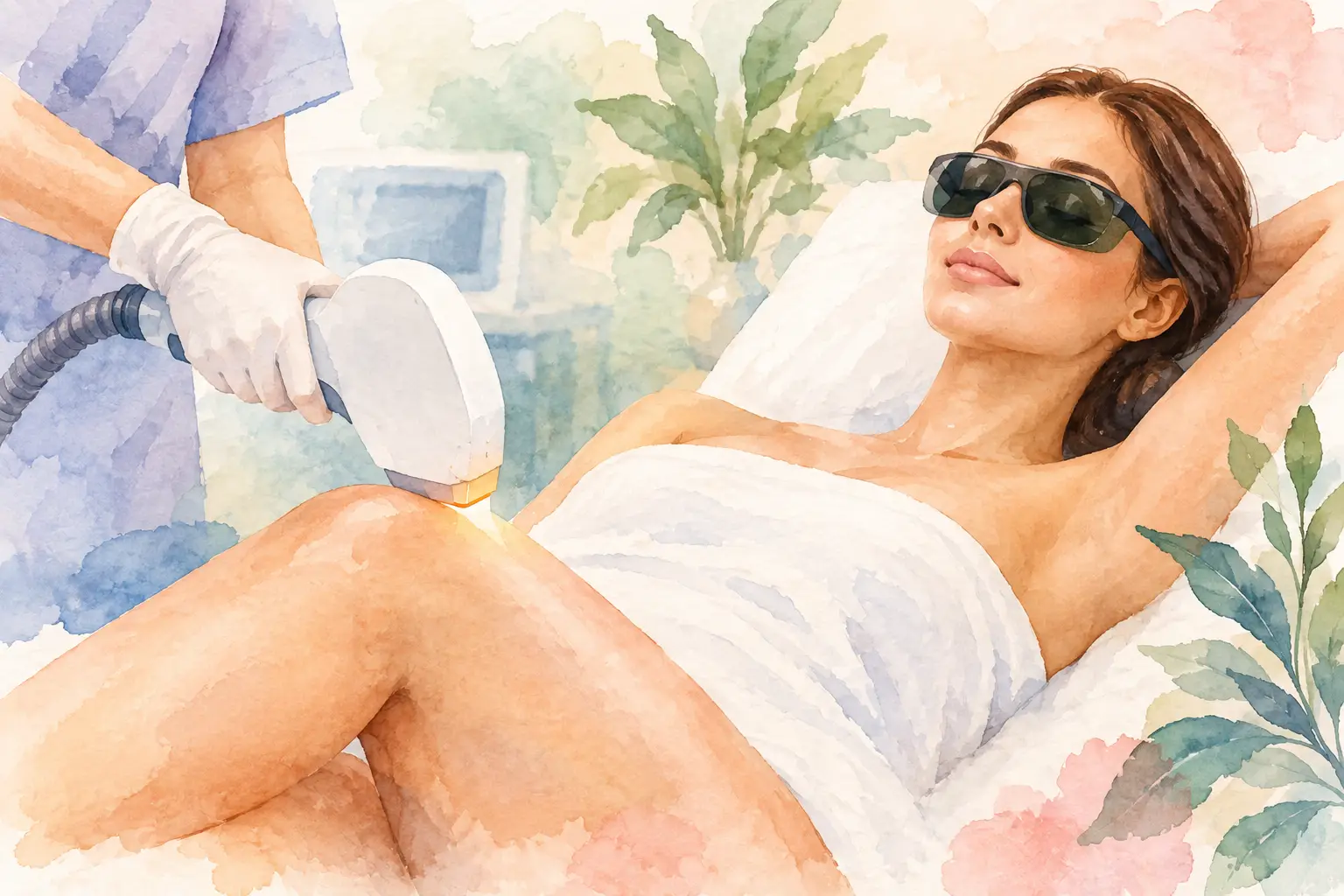
A smooth underarm, bikini line, or jawline should not come at the expense of your skin. So, is laser hair removal safe? For most healthy adults, it can be a safe and effective way to reduce unwanted hair when treatment is tailored to the individual and performed by properly trained professionals. The key is not simply choosing a laser treatment. It is choosing the right device, settings, treatment plan, and clinical team for your skin, hair, and health history.
Laser hair removal is a medical-grade treatment, not a one-size-fits-all beauty service. A thoughtful consultation is where safe, confidence-building results begin.
Is Laser Hair Removal Safe for Your Skin?
Laser hair removal works by directing concentrated light toward pigment in the hair follicle. That light converts to heat, damaging the follicle enough to slow future growth while protecting the surrounding skin. Because hair grows in cycles, a series of treatments is needed to target follicles during their active growth phase.
The safety of this process depends on precision. Hair color, hair thickness, skin tone, the treatment area, recent sun exposure, medications, and even a history of sensitivity can affect which device and settings are appropriate. When those details are overlooked, the chance of irritation or pigment changes rises.
For the right candidate, treatments are generally well tolerated. Many clients describe the sensation as a quick snap against the skin or brief warmth. Modern devices often include cooling technology that improves comfort and helps protect the skin surface during treatment.
It is also helpful to set a realistic expectation: laser hair removal means long-term hair reduction, not necessarily permanent removal of every single hair. Some people enjoy years of minimal regrowth, while others may benefit from occasional maintenance treatments. Hormonal changes, genetics, and the area being treated all influence the result.
What Makes Laser Hair Removal Safer?
Safety starts well before the first pulse of light. A qualified provider should review your medical history, examine your skin and hair, discuss your goals, and explain what the treatment can realistically accomplish. This is especially valuable for clients with melanin-rich skin, a tan, a tendency toward dark spots after inflammation, or a history of scarring.
A device that works beautifully for fair skin with dark hair may not be the safest choice for deeper skin tones. That does not mean darker skin cannot be treated. It means the provider must select technology and settings designed to distinguish the hair follicle from the surrounding pigment. In experienced hands, laser hair removal can be performed across a wide range of skin tones.
Your provider may recommend a test spot before treating a larger area. This small step helps assess how your skin responds and provides useful guidance for the treatment plan. It is a sign of careful care, not uncertainty.
Treatment should also be postponed when the skin is compromised. Sunburn, an active rash, open cuts, a cold sore outbreak near the treatment area, or a current skin infection can make the area more reactive. Allowing the skin to heal first protects both your comfort and your result.
Why an In-Person Consultation Matters
A consultation is the time to share details that may seem unrelated to hair removal. Tell your provider about prescription and over-the-counter medications, supplements, previous cosmetic treatments, a history of herpes simplex, skin conditions, and recent tanning. Some medications can increase light sensitivity, while certain treatments may require a waiting period before laser services.
Pregnancy is another time to pause. Laser hair removal is generally deferred during pregnancy because there is not enough safety research to recommend elective laser treatment at that time. Your provider can help you plan treatment for a later date.
If you use isotretinoin, have a history of keloid scars, or have an underlying condition that affects healing, do not assume you are automatically ineligible. Your provider can evaluate your circumstances and, when appropriate, coordinate with your physician. Individual guidance is safer than a generic checklist.
Common Side Effects and When to Call
Temporary redness and mild swelling around the follicles are common after treatment. The area may feel warm or look as though you have a light sunburn for a few hours, occasionally a day or two. This response is often part of the normal healing process.
Less common risks include blistering, crusting, burns, changes in skin color, or scarring. These effects are more likely when skin has been recently tanned, laser settings are inappropriate, aftercare instructions are not followed, or treatment is performed by an inexperienced operator. No aesthetic procedure is completely risk-free, which is why provider selection and honest screening matter.
Contact your treatment provider promptly if you develop increasing pain, significant swelling, blisters, drainage, widespread rash, or skin changes that concern you. Early guidance can prevent a minor reaction from becoming a bigger interruption to your routine.
The eye area deserves special attention. Protective eyewear is essential for both the client and provider whenever laser treatment is performed. A professional setting will never treat around the eyes without appropriate eye protection.
Preparing for a Safer, More Comfortable Treatment
Your pre-treatment habits have a direct effect on safety. Avoid tanning, tanning beds, and self-tanner before appointments according to your provider’s instructions. A fresh tan increases pigment in the skin and can make it harder for the laser to target the follicle safely.
Most clients are asked to shave the treatment area shortly before their appointment. Shaving leaves the follicle in place beneath the skin, where the laser needs it, without leaving long surface hair that can absorb heat. Avoid waxing, tweezing, threading, or plucking in the weeks leading up to treatment because these methods remove the target hair from the follicle.
Arrive with clean skin whenever possible. Skip lotions, deodorant, fragrance, makeup, and active skincare products on the area unless your provider tells you otherwise. If you have had recent sun exposure or started a new medication, mention it before treatment rather than hoping it will not matter.
Aftercare Protects Your Results
After treatment, treat your skin gently. Cool compresses or a soothing product recommended by your provider can ease temporary warmth. Avoid hot tubs, saunas, strenuous heat exposure, and intense workouts for the timeframe you are given, especially if the skin is still flushed.
Sun protection is nonnegotiable. Use broad-spectrum sunscreen on exposed treated areas and limit direct sun exposure. This reduces the risk of unwanted pigment changes and supports a more even, refined result as your skin settles.
Do not pick, exfoliate aggressively, or try to pull out shedding hairs. It can take one to three weeks for treated hairs to release naturally. That shedding is different from new growth, and it is often an encouraging sign that the follicle responded to treatment.
Who May See the Best Results?
Laser hair removal traditionally produces the most dramatic reduction when there is a clear contrast between dark hair and lighter skin. Technology has expanded the range of candidates significantly, but very light blonde, gray, red, or white hair may not respond as consistently because there is less pigment for the laser to detect.
Hormonal hair growth can also be more persistent. Conditions such as polycystic ovary syndrome, changes in hormone therapy, or natural life stages can encourage new follicles to become active. Laser treatment may still be a valuable part of a hair-reduction plan, but maintenance visits may be more likely. A clear conversation about your goals helps align treatment with what your body can realistically achieve.
Laser treatment is commonly chosen for the underarms, bikini area, legs, arms, back, chest, upper lip, and chin. Each area responds differently. Coarser hair may respond quickly, while finer facial hair can require additional care in planning and treatment intervals.
Choosing Care That Puts Your Skin First
The lowest advertised price is not always the best value when your skin is involved. Look for a medical spa that treats your consultation as part of the service, not an obstacle before the appointment. You deserve clear answers about the technology being used, the qualifications of the person performing treatment, expected sessions, possible risks, and the aftercare support available if you have questions.
At Reveal MedSpa, laser hair removal is approached as a personalized confidence treatment. The goal is to help you spend less time managing unwanted hair while keeping your skin health, comfort, and long-term results at the center of every decision.
The right next step is a professional consultation where you can share your goals, ask direct questions, and receive a plan designed for your skin. Feeling confident in your treatment should begin before your first appointment.