

Colorado sun can be unforgiving. If you are noticing brown spots, redness, fine lines, or a complexion that no longer looks as even as it feels, you may be considering IPL versus chemical peels. Both are medical-grade options for clearer, brighter-looking skin without surgery, but they work in very different ways.
The right choice is less about which treatment is “better” and more about what your skin needs now. Are you most concerned with visible sun damage? Acne and congestion? Uneven texture? Persistent redness? Your treatment plan should match your skin goals, lifestyle, and tolerance for downtime.
IPL Versus Chemical Peels: The Core Difference
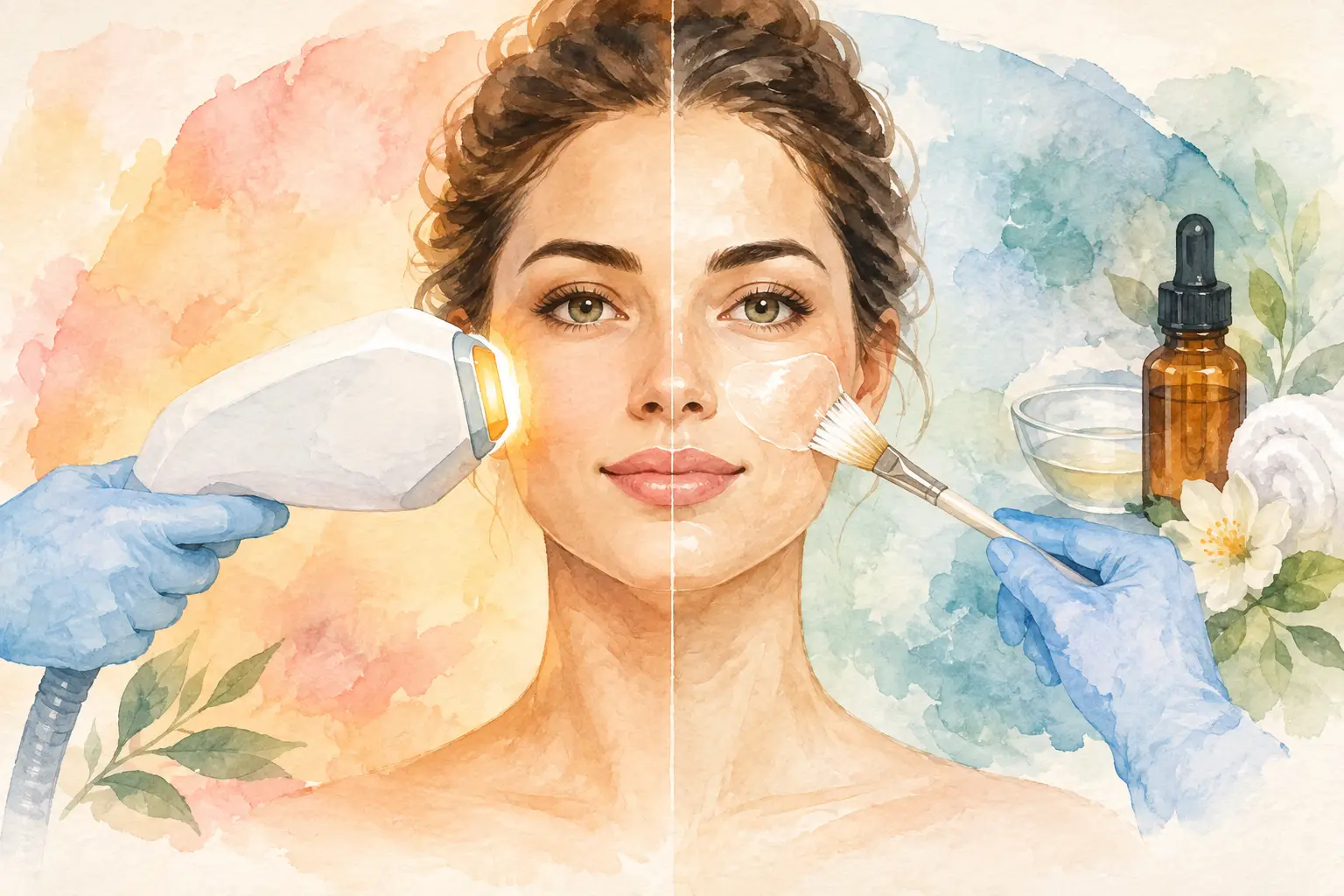
IPL, or intense pulsed light, uses broad-spectrum pulses of light to target pigment and redness beneath the skin’s surface. It is often chosen for sun spots, freckles, visible vessels, blotchy tone, and diffuse facial redness. The light is absorbed by pigment or blood vessels, allowing the body to gradually clear the targeted discoloration.
A chemical peel works from the surface down. A customized solution is applied to exfoliate damaged outer skin cells and stimulate renewal. Depending on the peel’s strength and formulation, it can help improve dullness, rough texture, clogged pores, acne marks, fine lines, and uneven tone.
Think of IPL as a targeted light-based treatment for color concerns, while chemical peels are a controlled resurfacing treatment for texture and turnover. Many clients benefit from both over time, but not always on the same day or in the same season.
When IPL May Be the Better Choice
IPL is often an excellent option when discoloration is the concern you see first in the mirror. Years of sunny Colorado days can leave behind freckles, brown spots, and an uneven complexion that makeup does not fully cover. IPL can also be helpful for redness related to visible capillaries or rosacea-like flushing, though redness should always be evaluated carefully before treatment.
You may be a strong IPL candidate if your goals include a more even skin tone, reduced appearance of sun spots, less blotchy redness, or a clearer-looking chest, neck, hands, or face. Treatment areas can be customized, which is valuable when sun damage extends beyond the face.
During an IPL appointment, you may feel quick warm snaps against the skin. Most treatments are well tolerated, and a cooling method may be used for comfort. Afterward, brown spots often darken temporarily before flaking or fading over the following days. Mild redness can occur, but many people return to normal activities quickly.
IPL is typically performed as a series. Skin changes gradually, and multiple treatments can create a more complete improvement than one appointment alone. Consistent sunscreen use is essential, both to protect your investment and to help prevent new pigment from developing.
Important IPL considerations
IPL is not the right treatment for every skin tone or every type of discoloration. Because the device targets pigment, providers must consider your natural skin tone, recent sun exposure, history of hyperpigmentation, medications, and whether your concern is truly pigment, melasma, or something else. Treating the wrong condition with the wrong settings can worsen uneven pigmentation.
A skilled consultation matters. The goal is not simply to use light on a brown spot. It is to choose a safe plan that supports healthy, balanced-looking skin.
When a Chemical Peel May Be the Better Choice
Chemical peels are especially useful when skin feels dull, rough, congested, or uneven in texture. If your primary concern is a buildup of dead skin cells, frequent breakouts, post-acne marks, enlarged-looking pores, or early fine lines, a peel may be a better first step than IPL.
A light or superficial peel can refresh the complexion with little visible peeling or social downtime. These treatments are often a practical choice before an event, as part of a regular skin-maintenance plan, or when you want improved glow and smoothness without a major recovery period.
Medium-depth peels may create more noticeable flaking and require more planning, but they can offer a stronger resurfacing effect for more established texture concerns. Your provider will recommend the appropriate depth based on your skin condition, schedule, and desired outcome. More aggressive is not automatically better. The best peel is the one that creates meaningful progress while respecting your skin barrier.
Chemical peels can also be versatile for acne-prone skin. Certain formulations help clear congestion and support a more even appearance after breakouts. For clients managing acne marks, the plan may include peels alongside other services such as microneedling or a medical-grade home-care routine, depending on the type and depth of scarring.
Peeling is not always dramatic
The name can make chemical peels sound intimidating, but visible sheet-like peeling is not required for a treatment to be effective. Some clients experience light flaking, while others simply notice that their skin looks brighter and feels smoother over the next several days. Results depend on the formulation, strength, preparation, and how consistently you support your skin at home.
Downtime, Comfort, and Timing Your Treatment
For busy professionals, parents, and anyone who wants results without stepping away from life, downtime is often the deciding factor. Both IPL and many chemical peels can fit a busy schedule, but their recovery patterns differ.
After IPL, temporary redness is common and pigmented spots may look darker for several days. This can be easy to conceal for some people, but it is worth timing before photos, weddings, vacations, or important meetings. Avoiding direct sun exposure is especially important after treatment.
After a superficial chemical peel, you may have mild dryness, tightness, or flaking. Medium or deeper peels require more recovery and a more disciplined aftercare routine. You should never pick or pull peeling skin. Let the renewal process happen naturally, and use the products your provider recommends.
Neither treatment belongs on a rushed calendar. If you have an upcoming event, start the conversation early. This gives your provider time to create a sequence that allows your skin to settle and glow rather than recover at the last minute.
Can You Combine IPL and Chemical Peels?
Yes, but the timing and order should be intentional. Because IPL and chemical peels both address visible signs of photoaging, they can complement each other in a larger skin-rejuvenation plan. IPL can focus on unwanted color, while peels help refine texture and encourage fresh cellular turnover.
That does not mean combining treatments is appropriate for everyone. Your provider may recommend spacing them apart to protect your skin barrier and reduce the risk of irritation or pigment changes. Your skin may also need a period of calming, hydration, or targeted home care before moving to the next treatment.
This is where personalized care makes a real difference. A plan built around your skin can be more effective than chasing a single treatment trend.
Choosing the Best Treatment for Your Skin Goals
Choose IPL when sun spots, freckles, visible redness, and blotchy pigmentation are your top concerns. Consider chemical peels when dullness, congestion, acne, roughness, and uneven texture are getting in the way of the clear, polished complexion you want.
If you have melasma, deeper skin tones, active acne, a history of cold sores, sensitive skin, or recent tanning, speak openly with your provider before deciding. These details affect safety and treatment selection. Be prepared to share your skincare routine, medications, and any past reactions to treatments.
At Reveal MedSpa, the goal is not to push one service over another. It is to help you feel seen, informed, and confident in a treatment plan that respects your skin and your life. When you are ready for skin that looks more even, refreshed, and like you at your best, a professional consultation can turn uncertainty into a clear next step.